
Roof Damage Claim Assistance in Florida and Tennessee
What Is Roof Damage Claim Assistance?
Roof damage claim assistance is a public adjusting service that helps property owners document roof damage, file insurance claims, and negotiate settlements with insurance carriers. Licensed public adjusters represent the policyholder and understand how insurance companies evaluate roof damage claims.
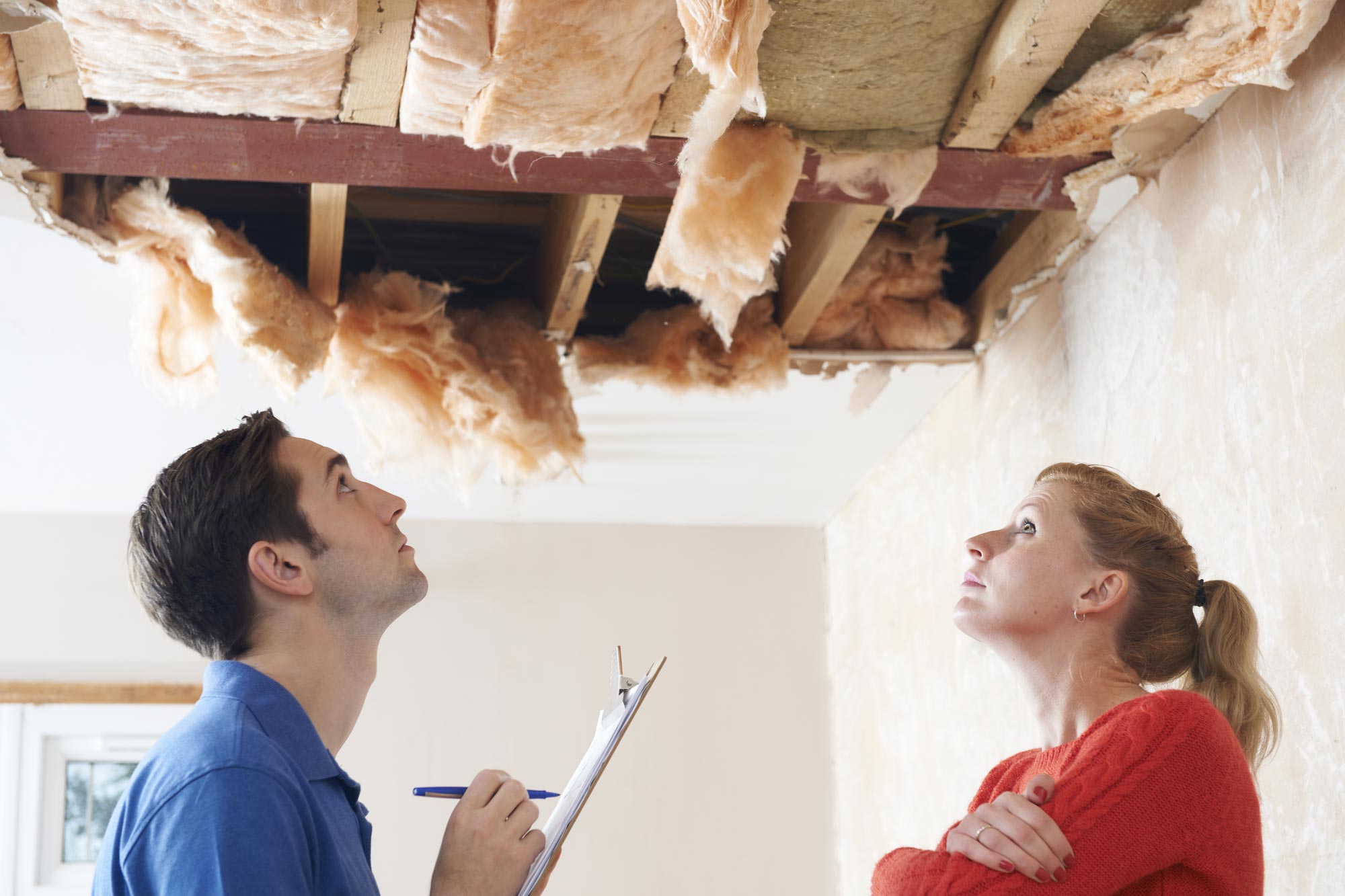
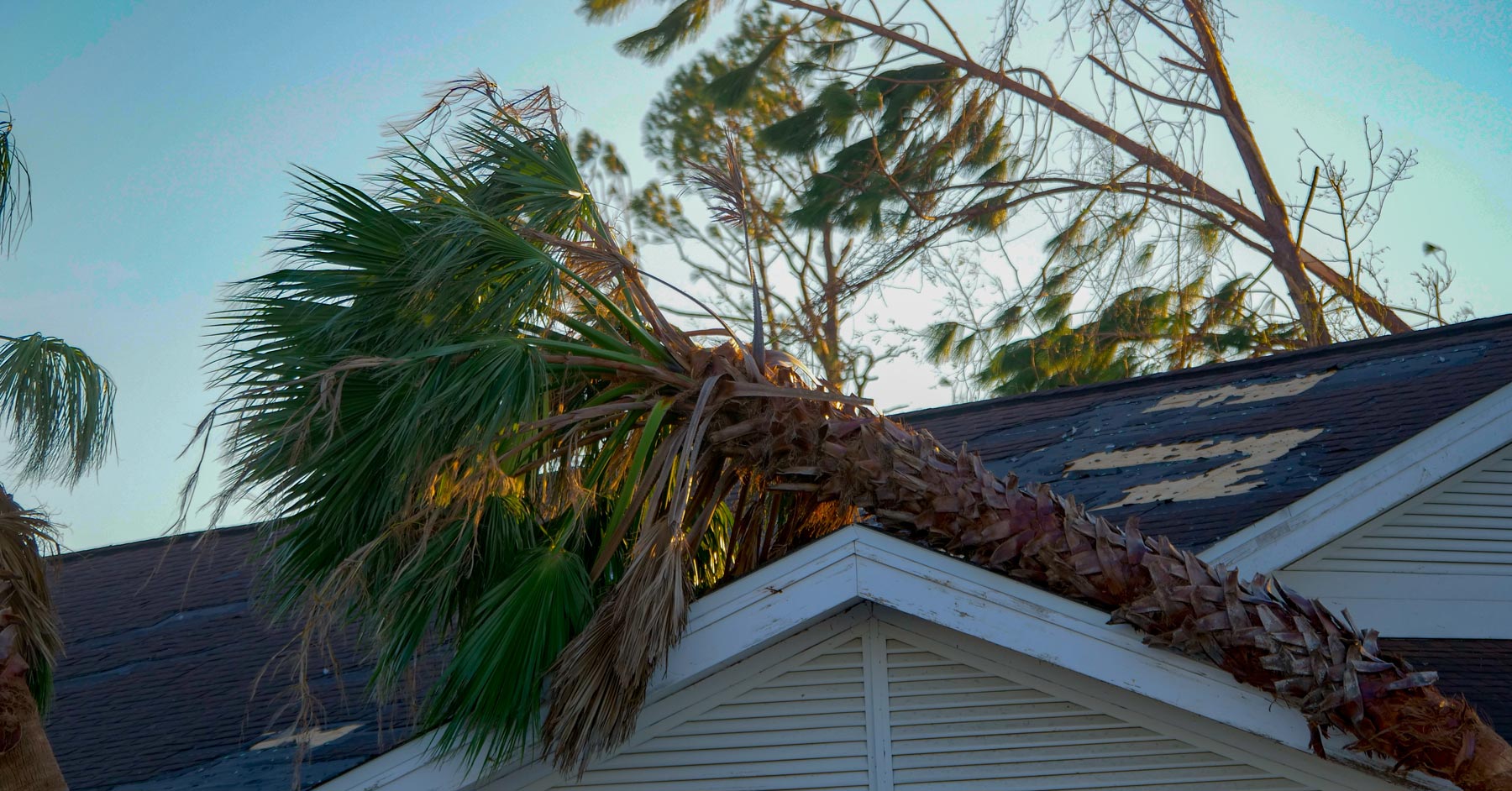
Roof damage from storms, wind, hail, or falling debris often leads to secondary damage including water intrusion, ceiling damage, mold growth, and structural issues. A complete roof damage claim must address both the roof itself and any resulting damage to the interior of the property.
Who Needs Roof Damage Claim Assistance?
- Homeowners who have experienced roof damage from storms, high winds, or fallen debris
- Property owners with roof leaks causing interior water damage
- Policyholders whose roof damage claims have been denied as “wear and tear”
- Property owners where the insurance company has offered to repair only specific sections
- Commercial property owners with flat roof or built-up roof damage
Signs of Roof Damage to Document
After a storm or suspected roof damage event, documenting specific signs of damage strengthens your insurance claim. Both exterior and interior signs are important.
Exterior Signs:
Interior Signs:
Insurance companies may attempt to classify sudden damage as gradual to deny claims. A public adjuster can help establish the timeline and cause of damage through proper documentation.
Understanding Roof Damage Causes: Wind, Hail, and Wear
Insurance companies evaluate roof damage claims based on the cause of damage. Understanding how different causes are treated helps property owners document claims effectively.
Wind Damage (Typically Covered)
High winds can lift, crack, or remove shingles. Wind damage often appears in patterns, with damage concentrated on certain slopes or areas exposed to prevailing winds. Insurance policies typically cover sudden wind damage from storms.
Hail Damage (Typically Covered)
Hail impacts create distinctive damage patterns. On asphalt shingles, hail damage may appear as circular depressions, exposed fiberglass mat, or granule loss. Hail also damages metal components like flashing, vents, and gutters.
Normal Wear and Tear (Not Covered
Insurance policies do not cover damage from normal aging, weathering, or lack of maintenance. Signs of wear include uniform granule loss, curling at edges, and cracking from age. Insurance companies may claim storm damage is actually wear and tear.
The Distinction Matters
A public adjuster can help document storm damage patterns and differentiate them from wear and tear. Weather data, damage patterns, and timeline documentation help establish that damage resulted from a covered event rather than aging.
When to Contact a Public Adjuster for Roof Damage
Contact a public adjuster for roof damage claims:
- After any significant storm with wind or hail
- When you notice water stains on ceilings or walls
- When granules appear in gutters after a storm
- When your roof damage claim has been denied or classified as maintenance-related
- When the settlement offer does not cover full roof replacement
- When the insurance company offers partial repairs instead of addressing all damage
How Roof Damage Claim Assistance Works
Step 1
Roof Inspection
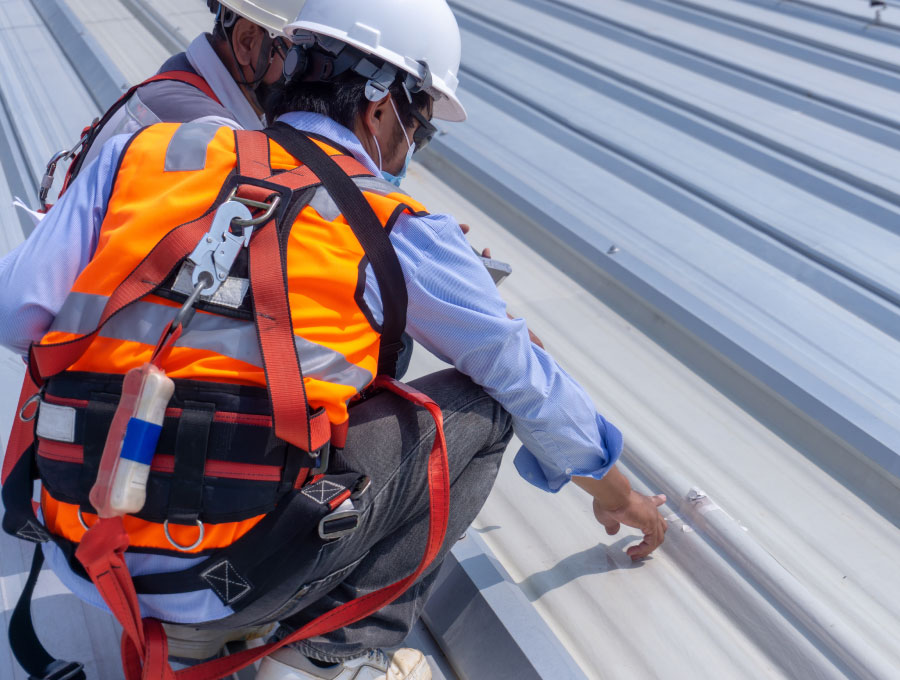
We inspect your roof and document all damage including missing shingles, lifted flashing, granule loss, impact marks, and any secondary water damage to the interior.
Step 2
Policy Review
We review your insurance policy to understand coverage terms, deductibles, and any roof-related exclusions or limitations based on roof age.
Step 3
Documentation
We prepare comprehensive documentation with photographs, measurements, damage diagrams, and repair or replacement estimates.
Step 4
Claim Filing
We file your claim and coordinate with your insurance carrier’s adjuster during their inspection of your roof.
Step 5
Settlement Negotiation
We negotiate the settlement to address the full scope of documented damage, challenging any denials based on wear and tear when storm damage is documented.
What This Service Does Not Include
- Fire damage repair, restoration, or remediation services
- Contents cleaning, soot removal, or odor treatment
- Board-up or emergency securing services
- Legal representation or legal advice
- Arson investigation or fire cause determination
What Happens After Settlement
Once a settlement is reached, you receive the claim payment to hire a roofing contractor. Many roof claims are paid in two parts: an initial actual cash value (ACV) payment, followed by a recoverable depreciation payment after repairs are completed and documented. This ensures funds are used for actual repairs. We can provide referrals to licensed roofing contractors if needed.