
Fire Damage Claim Assistance in Florida and Tennessee
What Is Fire Damage Claim Assistance?
Fire damage claim assistance is a public adjusting service that helps property owners document fire, smoke, and soot damage, file insurance claims, and negotiate settlements with insurance carriers. This service is performed by licensed public adjusters who represent the policyholder throughout the claims process.
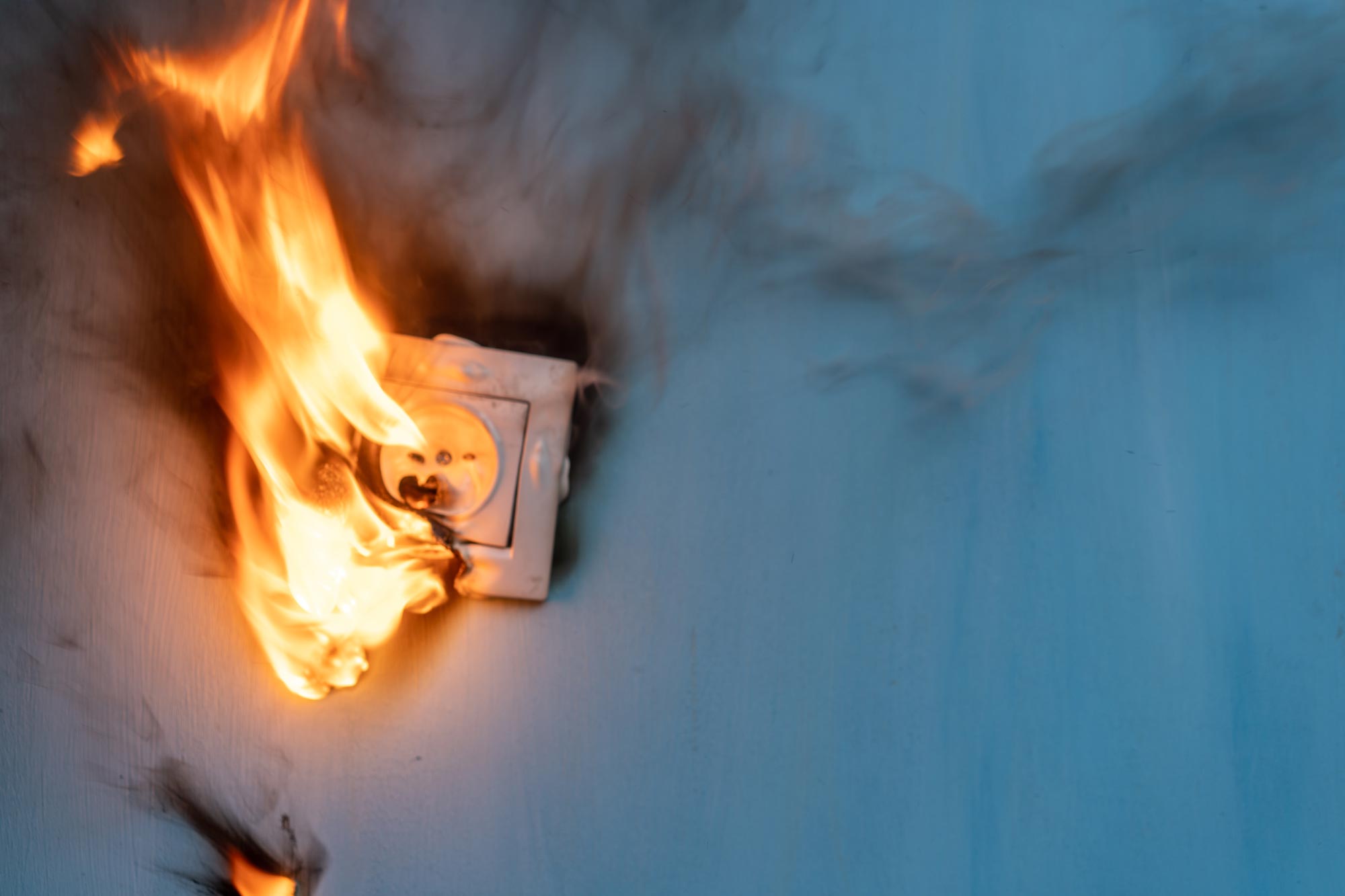
Fire damage extends beyond visible burn marks and charred materials. Smoke can penetrate walls, ceilings, HVAC systems, and personal belongings. Soot deposits on surfaces throughout the property. Water damage from firefighting efforts adds another layer of damage. A comprehensive fire damage claim must document all of these elements.
Who Needs Fire Damage Claim Assistance?
- Homeowners who have experienced kitchen fires, electrical fires, or heating-related fires
- Property owners with smoke damage from fires on neighboring properties
- Policyholders whose fire damage claims have been denied or underpaid
- Property owners with smoke and soot damage that is difficult to document
- Commercial property owners with fire damage affecting business operations
Understanding Your Fire Insurance Coverage
Fire insurance coverage under a standard homeowners policy typically includes several categories of coverage. Understanding these categories helps ensure your claim addresses all applicable losses.
Dwelling Coverage
This covers damage to the structure of your home, including walls, roof, floors, built-in appliances, and attached structures like garages. Dwelling coverage addresses fire damage, smoke damage, soot damage, and water damage from firefighting efforts.
Other Structures Coverage
Detached structures such as sheds, detached garages, fences, and guest houses are typically covered under a separate portion of your policy.
Personal Property Coverage
This covers your belongings damaged or destroyed in the fire, including furniture, clothing, electronics, and other personal items. Coverage may be actual cash value or replacement cost depending on your policy.
Additional Living Expenses (ALE)
If your home is uninhabitable after a fire, ALE coverage pays for temporary housing, meals, and other necessary expenses while your home is being repaired.
Debris Removal
Coverage for removing fire-damaged materials and debris from your property, which can be a significant expense after a major fire.
Hidden Smoke Damage: Where to Look
Smoke travels throughout a structure and can cause damage in areas far from the fire origin. Documenting hidden smoke damage is essential for a complete claim.
HVAC Systems and Ductwork
Smoke drawn into heating and air conditioning systems deposits soot throughout ductwork. Running the HVAC system after a fire can spread smoke damage to previously unaffected areas. The entire system may require professional cleaning or replacement.
Behind Walls and Above Ceilings
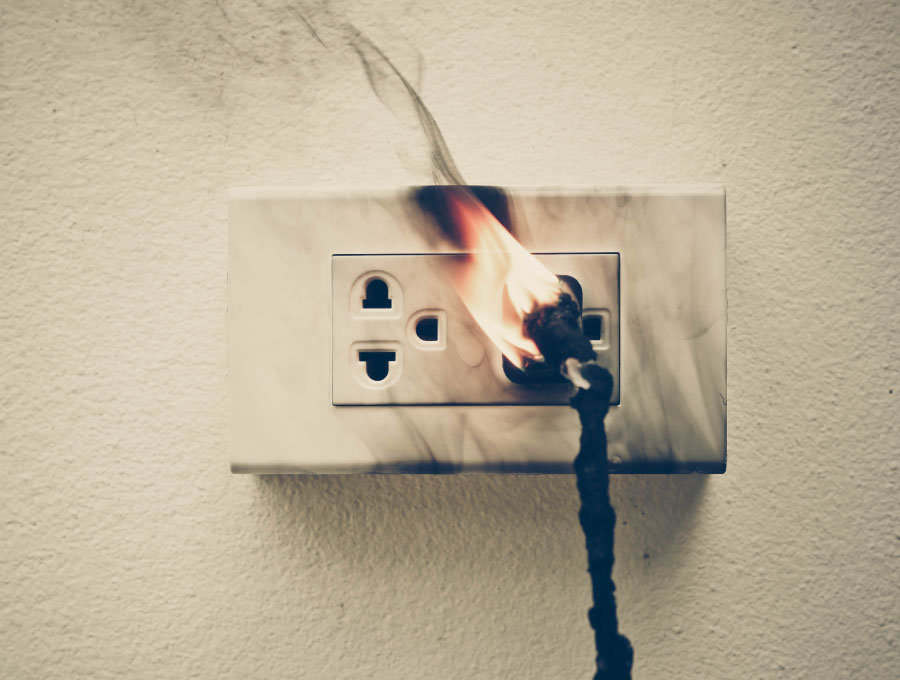
Smoke penetrates wall cavities and ceiling spaces through electrical outlets, light fixtures, and gaps in construction. Insulation absorbs smoke odors and may need replacement.
Soft Furnishings and Fabrics
Upholstery, curtains, carpeting, clothing, and bedding absorb smoke odors. Even items that appear undamaged may retain smoke smell that cannot be removed through cleaning.
Electronics and Appliances
Soot is conductive and corrosive. Electronics and appliances exposed to smoke may fail immediately or experience shortened lifespans. Internal components can corrode over time.
Attic Spaces
Heat and smoke rise, making attic spaces particularly vulnerable. Insulation, roof decking, and stored items in attics often sustain significant damage.
When to Contact a Public Adjuster for Fire Damage
Contact a public adjuster for fire damage claims:
- After any fire event at your property, regardless of size
- When you suspect hidden smoke damage in walls, ceilings, or HVAC systems
- When your claim has been denied or the settlement offer seems insufficient
- When you are unsure how to document smoke and soot damage throughout your property
- When your home is uninhabitable and you need to file for additional living expenses
- When you need to create a comprehensive personal property inventory
How Fire Damage Claim Assistance Works
Step 1
Comprehensive Inspection
We conduct a thorough inspection of visible and hidden fire, smoke, and soot damage throughout your property, including areas that may not be immediately apparent.
Step 2
Policy Review
We review your insurance policy to identify all applicable coverage including dwelling, other structures, personal property, ALE, and debris removal.
Step 3
Damage Documentation
We document all damage including structural damage, smoke penetration, soot deposits, water damage from firefighting, and affected personal property.
Step 4
Claim Preparation
We prepare and file your claim with supporting documentation, including personal property inventories with values for damaged or destroyed items
Step 5
Negotiation
We negotiate with your insurance carrier until the claim is resolved, addressing any disputes over coverage, damage extent, or valuation.
What This Service Does Not Include
- Fire damage repair, restoration, or remediation services
- Contents cleaning, soot removal, or odor treatment
- Board-up or emergency securing services
- Legal representation or legal advice
- Arson investigation or fire cause determination
What Happens After Settlement
Once a settlement is reached, you receive claim payments from your insurance carrier. Fire claims typically involve multiple payments: an initial payment for undisputed amounts, recoverable depreciation payments after repairs are completed, and ALE payments for temporary living expenses. You can use settlement funds to hire fire restoration contractors, replace personal property, and cover additional living expenses. We can provide referrals to licensed fire restoration contractors if needed.